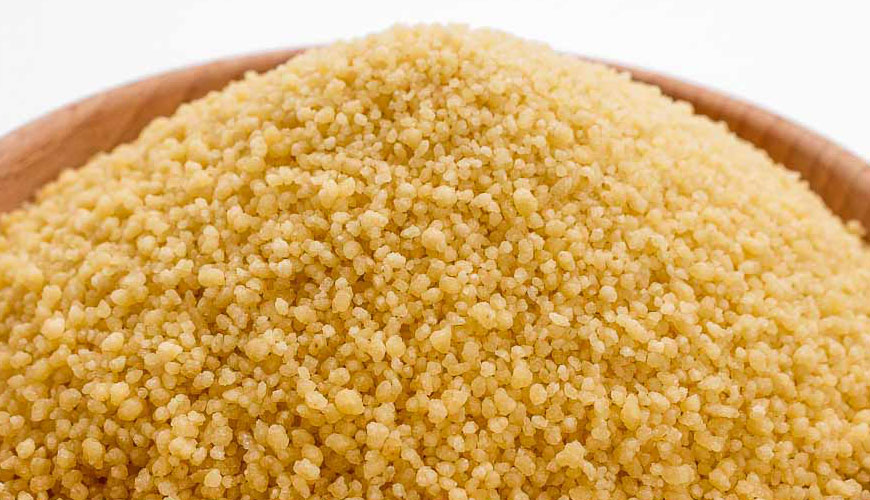
Maraiyo/ Kutki/ Shavan/ Sama (Little Millet)
"Sama" is a common name for little millet in India. Little millet is scientifically known as Panicum sumatrense. Here are some key points about Sama or little millet:
Botanical Name
Panicum sumatrense
Common Names
In India, little millet is known by various regional names, and "Sama" is one of them. Other regional names for little millet include "Samai" in Tamil, "Samalu" in Telugu, and "Same" in Kannada.
Nutritional Profile
Little millet is a nutritious grain, rich in carbohydrates, dietary fiber, vitamins, and minerals. It provides essential nutrients such as iron, magnesium, phosphorus, and B-complex vitamins.
Gluten-Free
Like other millets, little millet is naturally gluten-free, making it suitable for individuals with gluten sensitivities or celiac disease.
Culinary Uses
Little millet can be used in various culinary preparations. It is often cooked similar to rice and can be used in porridge, upma, pulao, or as a side dish. The flour made from little millet can be used to make rotis (flatbreads) or added to other dishes.
Health Benefits
Little millet is considered a healthy grain with several health benefits. It is a good source of energy, and the high fiber content supports digestive health. Little millet is also valued for its iron content, making it beneficial for individuals at risk of iron-deficiency anemia.
Cultivation
Little millet is a hardy crop that can adapt to various agro-climatic conditions. It is cultivated in different regions of India, especially in states where millets are traditional staples.
Sustainable Crop
In some cultures, buckwheat is used to make traditional dishes like kuttu ki puri in India during fasting periods.Millets, including little millet, are often considered environmentally friendly crops due to their low water requirements and ability to grow in marginal lands.
Traditional Significance
Little millet has been a part of traditional diets in many regions, and it is often used in religious or festive preparations.
Global Recognition
While little millet is more commonly consumed in India, it has gained recognition globally as a nutritious and gluten-free grain. Including Sama or little millet in your diet can provide a variety of nutrients and contribute to a balanced and diverse eating pattern. As always, individual dietary needs and preferences vary, so consulting with a healthcare professional or nutritionist can offer personalized advice based on specific health conditions or dietary goals.